A place to belong. A path to grow.

The learning journey

Learning,
made deeply
personal.

A whole-child framework where Torah and academics meet communication, independence, and the confidence to take part in community life.

Strengths open the door.
Structure and practice build the way forward.

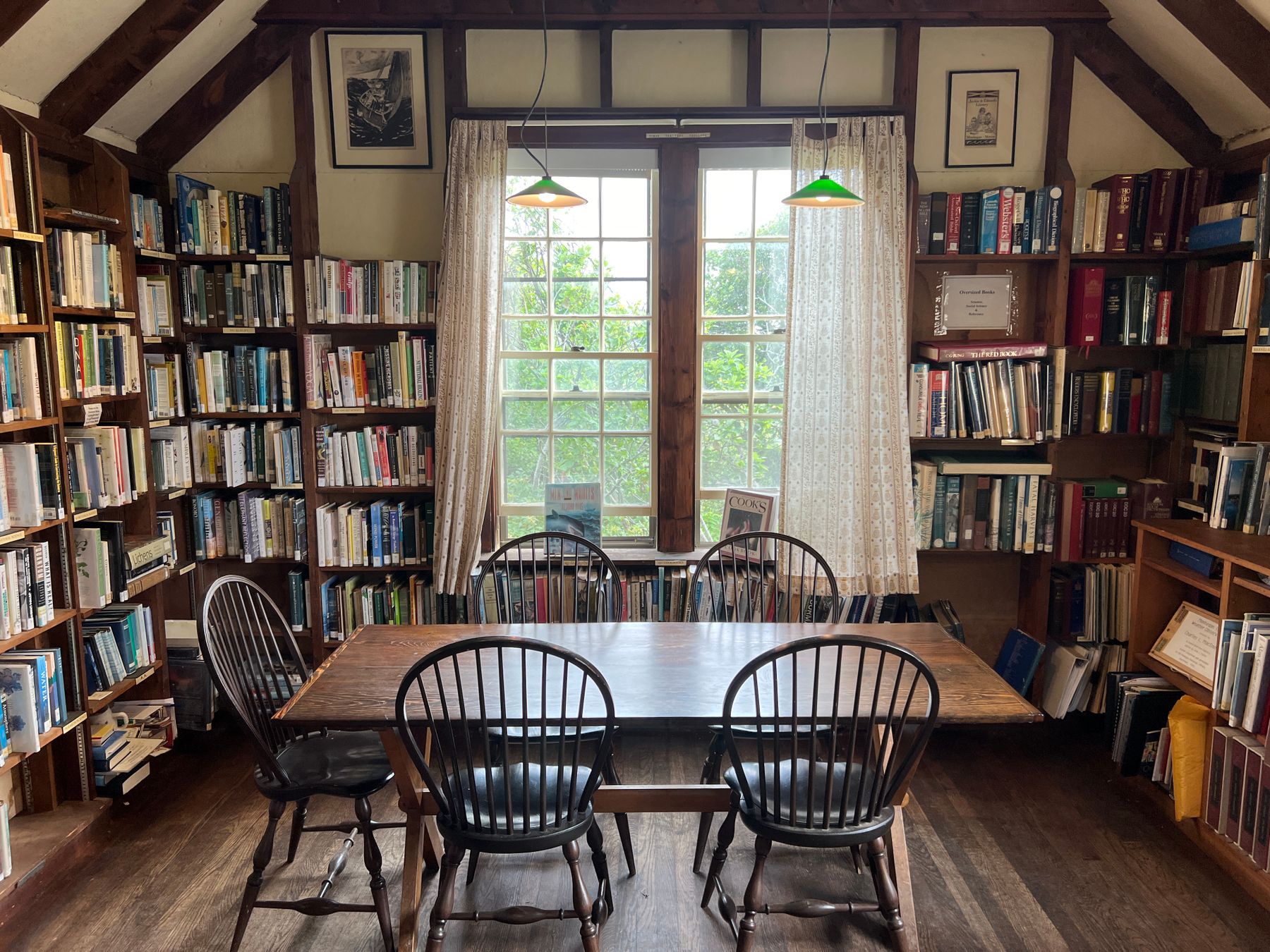
Representative warm, light-filled learning space
Designed around the learnerPurposeful, supported practice
Representative hands-on numeracy materials
Learning by seeing and doing
A connected framework Teach the skill.
Practice the life.
Torahidentity & meaning
Coreliteracy & numeracy
Lifesafety & independence
Peersconnection & belonging

Framework summarized from historical public records; the school’s current curriculum and services may have changed.

Three learning domains

A fuller picture
of progress.

Historical NYSED records describe academics, Judaic learning, social development, daily living, safety, and work readiness as connected—not competing—priorities.

An open Torah scroll
01

Torah & Judaic Life

Torah learning, prayer, Jewish identity, holidays, and the shared rhythm of yeshiva community.

Representative image of a boy practicing writing
02
א

Academic Foundations

Reading, phonics, spelling, handwriting, mathematics, science, social studies, history, and technology were documented historically.

Representative image of an adult supporting a young learner
03

Communication & Independence

Social communication, hygiene, safety, daily routines, and pre-vocational readiness extend learning beyond a worksheet.

Photographs on this page are representative licensed imagery, not enrolled students or verified school interiors. Course names and availability reflect historical descriptions and must be confirmed directly with the school.

How skills take root

Clear steps.
Many ways in.

Public records describe an approach built on adapted materials, multi-sensory teaching, repetition, scaffolding, modeled practice, and positive reinforcement.

Representative individualized notebook work

Built around comprehension

The next step starts with this learner.

  • Workbooks and materials adapted by level
  • Tasks broken into clear, achievable steps
  • Support shaped around individual learning needs

Historical framework summarized from NYSED SRO Decision 19-065, which discusses the 2018–19 program. It is not a statement of guaranteed current methodology or services.

A connected learning journey

From instruction
to participation.

This sequence illustrates how the historically documented methods fit together. It is an explanatory framework—not a published daily schedule or guaranteed student pathway.

Discover
Begin with strengths

Find the accessible starting point

Adapt language, materials, and task size so that a learner can engage meaningfully with what comes next.

Model
Make the skill visible

Show, say, and practice together

Multi-sensory cues, modeled examples, and scaffolded prompts give an idea more than one way to land.

Reinforce
Build useful fluency

Return to the skill with purpose

Repetition, review, and positive feedback help transform a supported action into growing confidence.

Apply
Connect classroom and life

Use learning in a real context

Social communication, safety, hygiene, daily routines, and work readiness give practice an everyday purpose.

Belong
Participate with others

Take a place in community

Peer connection and shared yeshiva experiences were documented as opportunities to use skills while being known and included.

Close-up of Hebrew script on a Torah scroll
ללמוד · לעשות · לגדול

Learn · Practice · Grow

Torah gives learning
its rhythm and why.

Learning for everyday life

Knowledge that
travels with you.

The most meaningful skills are useful across classrooms, home, community, and future work.

Historical program descriptions did not isolate academic instruction from independence. They included current events, social skills, hygiene, safety, activities of daily living, and pre-vocational development alongside traditional subjects.

Scope note

These are domains named in historical public documentation. Families should ask which subjects, supports, therapies, and transition opportunities are offered now.

Historically documented domains 2018–19 public record · verify current program
01

Literacy & numeracy

Reading, phonics, spelling, handwriting, and mathematics provide tools for continued learning.

02

Social communication

Modeled interaction and practice in authentic settings connect communication to participation.

03

Daily living & safety

Hygiene, routines, and safe choices support growing agency in school and beyond.

04

Vocational readiness

Pre-vocational learning introduces habits and practical foundations connected to future work.

Representative image of two people learning from Hebrew text together
01Learn together
Representative image of a young boy reading
02Build fluency
Representative hands-on mathematics activity
03Practice by doing
Books ready for study
04Keep discovering

Learning through belonging

A peer.
A partner.
A place.

NYSED’s record of the 2018–19 program describes “Buddy Time” with mainstream peers twice each week, plus shared lunch, recess, physical education, and school events.

Explore community
1

Meet

Build familiarity through a consistent peer connection.

2

Share

Participate in ordinary moments of school life together.

3

Practice

Use social and communication skills in an authentic setting.

4

Belong

Experience inclusion as presence, relationship, and contribution.

Questions for a learning conversation

Ask what the program looks like today

  • Individual goals—How are priorities selected, adapted, and reviewed?
  • Teaching approach—Which multi-sensory tools and supports are currently used?
  • Communication—How does school share progress and strategies with families?
  • Daily living—Which independence and safety skills are taught now?
  • Peer experience—What shared activities or buddy opportunities are currently available?

Understanding the model

Good questions
open doors.

Use these public findings as a starting point, then ask the school to describe the current experience for your child.

Start a conversation
What does “individualized” mean here?

Historical records describe materials adjusted to a learner’s comprehension level, scaffolded tasks, repetition, and multi-sensory instruction. Ask how the school currently sets goals and monitors progress.

Which academic subjects were documented?

The public record names reading, phonics, spelling, handwriting, mathematics, science, social studies, computers, history, physical education, and current events. This is historical, not a current course catalog.

How are life skills part of learning?

Social skills, hygiene, safety, activities of daily living, and pre-vocational preparation were described as part of the historical program, supported through modeling, role-play, and practice.

What was “Buddy Time”?

For the 2018–19 program, NYSED records describe students being paired with mainstream yeshiva peers twice weekly, alongside shared lunch, recess, physical education, and events. Confirm whether and how peer programming operates today.

Are related services currently offered?

Historical records discuss speech-language, occupational, and physical therapy supports in specific student circumstances. They do not establish current availability for every student; families should ask the school and relevant district about present services.

Exterior of the shared Torah Vodaath campus in Brooklyn
Shared Torah Vodaath campus · Brooklyn

The next right step

Tell us how
your son learns.

Begin with his strengths, interests, communication, current supports, and the skills your family hopes he will carry into everyday life.

Strengths Next steps
A learning conversationStudent · family · school
Growth with purpose