Being seen
Adults begin with the individual—his strengths, communication, pace, and next meaningful step.
A place to belong. A path to grow.
Belonging in practice
Community is more than being in the same building. It is learning, celebrating, and growing alongside others—with support that honors each student.
A close-knit community
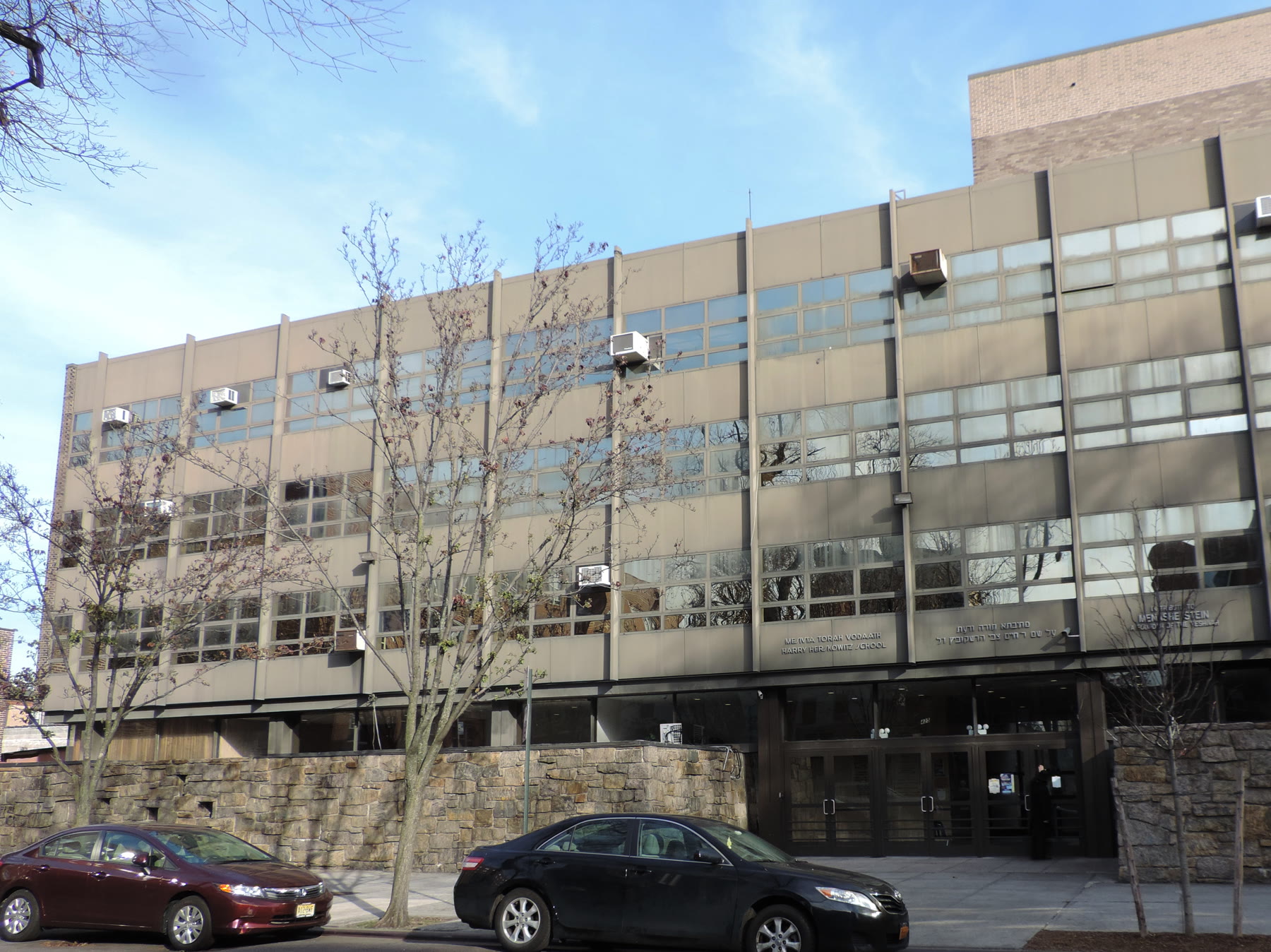
Public records describe a program intentionally located within a general-education yeshiva, creating opportunities for students to participate in a broader school community.
Historically documented activities included shared lunch, recess, physical education, school events, and structured peer time. These moments can help students practice communication, friendship, independence, and participation in authentic settings.
Program descriptions are based on historical NYSED records, including the 2018–19 school year. Current schedules and activities should be confirmed directly with the school.
Culture in action
Small, repeated moments of participation help turn a school into a place where every student can contribute.
Adults begin with the individual—his strengths, communication, pace, and next meaningful step.
Peer interaction gives students a natural setting to practice conversation, shared routines, and friendship.
Torah learning, prayer, celebrations, and communal milestones connect the school day to Jewish life.
Peer belonging
Historical NYSED documentation describes students pairing with general-education peers twice each week.
The same record notes interaction during lunch, recess, physical education, and major school events. Structured connection gives social learning a real-life context while making participation visible and ordinary.
Historical program feature documented in NYSED SRO Decision 19-065; current format and frequency may vary.
No current official student handbook was located publicly. These plain-language commitments translate the documented positive-support approach into a family-friendly concept; they are not represented as official school rules.
Speak and act with dignity, patience, and respect for each person’s needs.
Follow support directions and practice safe choices in classrooms and shared spaces.
Try, ask for help, and take the next step at an appropriate individual pace.
Welcome peers, celebrate progress, and make room for everyone to contribute.
Respect classrooms, sacred objects, learning materials, and the shared campus.
Share observations and goals so support can stay thoughtful and consistent.
Jewish life & place
Torah learning and Jewish practice sit alongside academic, social, and daily-living growth. Imagery below is representative unless specifically labeled as the shared campus.


Family partnership
The most useful first step is a direct conversation about strengths, needs, goals, communication, and the support a student may require.
Because current admissions procedures and family policies are not publicly posted, the admissions page separates verified school facts from practical questions families may wish to ask.
Continue exploring
Explore the documented learning approach, skill areas, and questions to ask about current services.